.png)
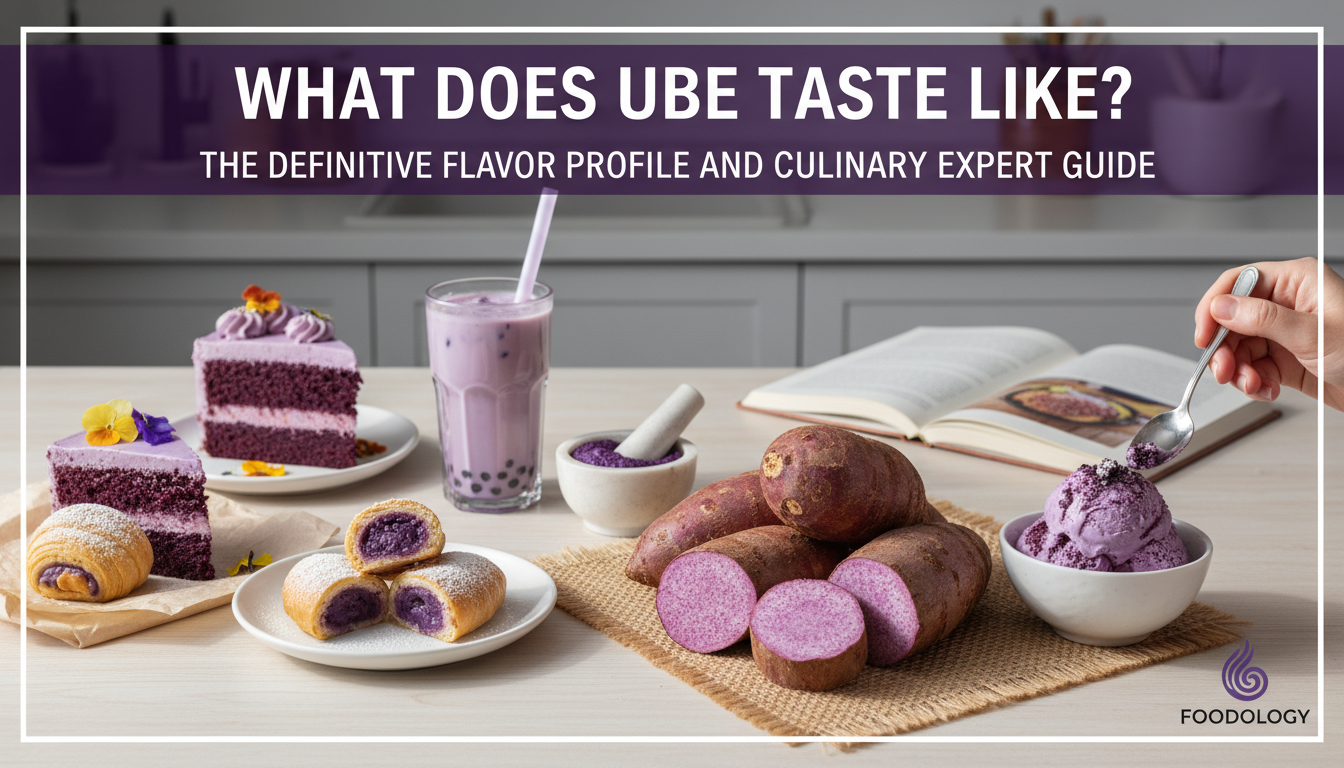

Introduction: Unlocking the Purple Mystery
In the evolving landscape of global gastronomy, few ingredients have captured the collective imagination quite like Ube (pronounced ooh-beh). Once a staple strictly confined to Filipino households and specialized Asian markets, this vibrant purple yam has exploded onto the worldwide culinary scene. From high-end dining establishments in New York to viral TikTok food trends, the distinct violet hue of ube is unmistakable. But beyond its photogenic appeal, a fundamental question remains for the uninitiated: What does ube actually taste like?
Unlike the straightforward sweetness of a standard potato or the savory profile of typical tubers, ube possesses a complex, multi-layered flavor profile that bridges the gap between savory and sweet. As we analyze this ingredient with the same rigor one might apply to emerging trends in major industries, we discover that ube is not merely a color; it is a distinct culinary experience characterized by nutty undertones, a vanilla-like aroma, and a creamy texture that defies simple categorization.
In this definitive guide, we will deconstruct the flavor profile of Dioscorea alata, distinguish it from its often-confused cousins like Taro, and explore its versatility in modern cuisine. Whether you are a culinary enthusiast, a food blogger looking to refine your content strategies, or simply a curious eater, this analysis serves as your ultimate resource.
The Definitive Ube Flavor Profile
To understand what ube tastes like, one must move past the generic descriptor of “sweet potato.” While it is a tuber, its chemical composition and flavor notes are distinct.
1. The Primary Notes: Sweet, Nutty, and Earthy
At its core, the flavor of boiled, plain ube is mild. It presents a gentle sweetness that is not overpowering, similar to a chestnut or a white chocolate macadamia nut. The nuttiness is the dominant trait, often described as “earthy” but without the dirt-like quality sometimes associated with beets. This earthiness provides a grounding base note that allows the sweetness to shine without becoming cloying.
2. The Vanilla and Coconut Connection
Perhaps the most surprising element of ube’s flavor profile is its aromatic similarity to vanilla. Many food critics and food scientists note that high-quality ube exudes a natural fragrance akin to vanilla beans or pistachios. This is why ube pairs so seamlessly with dairy products like milk, cream, and cheese. In traditional Filipino preparation, ube is almost exclusively paired with coconut milk (gata), which amplifies these vanilla-like esters, creating a flavor compound that tastes like a tropical, floral cake even before it is baked.
3. Texture and Mouthfeel
Flavor is not just taste; it is also texture. Ube has a viscous, slightly sticky consistency when cooked and mashed. This mucilaginous quality (similar to okra but less slimy, more creamy) gives ube desserts a rich, dense mouthfeel. It coats the palate, allowing the nutty and sweet flavors to linger longer than they would in a drier ingredient like a russet potato.
Ube vs. Taro vs. Purple Sweet Potato: The Tri-Color Confusion
One of the most pervasive misconceptions in the culinary world is the interchangeability of Ube, Taro, and Purple Sweet Potato. While they share a color palette that fits perfectly into a modern style guide for plating, they are fundamentally different ingredients.
Ube (Dioscorea alata)
- Exterior: Brown, bark-like skin.
- Interior: Vibrant purple (sometimes speckled with white).
- Flavor: Sweet, nutty, vanilla-like.
- Best For: Desserts, jams, pastries.
Taro (Colocasia esculenta)
- Exterior: Hairy, light brown skin with ringed patterns.
- Interior: White or pale lavender with purple specks.
- Flavor: Starchy, bland, slightly nutty but rarely sweet. It tastes more like a potato soaked in nut milk.
- Best For: Savory soups, chips, bubble tea (when heavily sweetened).
Purple Sweet Potato (Stokes Purple or Okinawan)
- Exterior: Smooth skin (like a standard sweet potato).
- Interior: Dark, ink-like purple.
- Flavor: Very sweet, floral, denser texture.
- Best For: Roasting, fries, pies.
Understanding these differences is crucial. If you order a “Taro” milk tea expecting the vanilla-sweet taste of Ube, you will likely be disappointed by the starchy, milder profile of Taro.
Culinary Applications: From Tradition to Viral Trends
The rise of ube in Western media can be attributed to its photogenic nature, often featured in viral entertainment news and social media feeds. However, its culinary roots run deep in Philippine history.
Traditional Preparation: Ube Halaya
The benchmark for ube flavor is Ube Halaya (Ube Jam). To make this, the yam is boiled, grated, and painstakingly stirred over low heat with condensed milk, evaporated milk, coconut milk, and butter. The result is a thick, fudge-like jam that concentrates the ube flavor. In this form, the taste is intensified—richer, sweeter, and creamier than the raw tuber.
Modern Fusion: Pastries and Lattes
In the modern era, ube has found its way into croissants, donuts, waffles, and lattes. The vanilla notes of ube make it a perfect substitute for chocolate or vanilla extract in baking. Chefs often use Ube Extract—a concentrated flavoring—to achieve the deep purple color and heightened aroma, as the fresh yam can sometimes yield a paler color upon baking.
If you are scrolling through platforms like Picuki to view Instagram trends, you will see Ube Crinkle Cookies and Ube Pandesal dominating the visual landscape. The flavor in these baked goods is often a balance of the salty-sweet dough and the earthy, aromatic ube filling.
The Science of Color: Anthocyanins
The intense purple color of ube comes from anthocyanins, the same antioxidant pigments found in blueberries and blackberries. These compounds are not just for show; they offer significant health benefits, including anti-inflammatory properties. From a sensory perspective, the deep color prepares the brain to expect a berry-like flavor, which contrasts delightfully with the actual nutty, vanilla reality of the vegetable. This disconnect between visual expectation and sensory reality is part of what makes ube so fascinating to culinary researchers and foodies alike.
Sourcing Ube: Fresh vs. Powder vs. Extract
For those looking to experiment with ube in their own kitchen, availability can be a hurdle. Unlike buying collectibles on a marketplace, finding fresh ube requires specific timing and geography.
- Fresh Ube: Difficult to find outside of Southeast Asia or specialized Asian grocers in the US (often seasonal). It requires boiling and grating.
- Frozen Grated Ube: The most common form available globally. It preserves the texture and flavor well.
- Ube Powder: Dehydrated ube. Good for baking but lacks the moisture of fresh yam. It must be rehydrated.
- Ube Extract: Highly concentrated. Essential for achieving that electric purple color and punching up the flavor in baked goods where adding volume (like mashed yam) would ruin the chemistry.
Why Ube is More Than a Trend
While some food trends fade as quickly as they appear, ube has established staying power. Its unique profile—bridging the gap between a vegetable and a dessert—offers culinary versatility that few other ingredients possess. It aligns with the global shift towards plant-based eating and the search for natural, functional ingredients that do not sacrifice flavor.
Furthermore, the cultural export of Filipino cuisine has brought ube to the forefront. It is a symbol of heritage, transformed into a global icon of flavor. Just as we look at comprehensive tech insights to predict the future, the trajectory of ube suggests it will become a permanent fixture in the global pantry, much like matcha or chai before it.
Frequently Asked Questions
1. Is Ube savory or sweet?
Ube is naturally mild and slightly sweet, similar to a sweet potato. However, it is almost exclusively prepared in sweet dishes (desserts, jams, ice creams) where sugar and milk are added. It is rarely eaten as a savory side dish in the way mashed potatoes are.
2. Why does my Ube taste bitter?
If your ube tastes bitter, it may be due to the variety of the yam or improper preparation. Older tubers can sometimes develop a bitter aftertaste. Additionally, if you are using artificial extracts, using too much can lead to a chemical, bitter flavor profile.
3. Can I substitute Ube with Purple Sweet Potato?
Yes, for texture, but the flavor will be different. Purple sweet potatoes are sweeter and lack the distinct nutty, vanilla aroma of true ube. The color will also be a darker, inkier purple rather than the warm violet of ube.
4. Is Ube flavor artificial?
Real ube is a natural yam. However, many commercial ube snacks and desserts use “Ube flavoring” or extracts which may contain artificial colors and flavors to ensure consistency and vibrancy. Authentic high-end ube desserts rely on the yam itself.
5. What pairs best with Ube?
Ube pairs exceptionally well with coconut (macapuno), cheese (especially cheddar in Filipino desserts), white chocolate, vanilla, and pandan. The salty contrast of cheese with sweet ube is a classic Filipino flavor combination.
Conclusion
So, what does ube taste like? It is a harmonious blend of nutty earthiness, gentle sweetness, and aromatic vanilla, wrapped in a creamy, velvety texture. It is a flavor that is both comforting and exotic, familiar yet distinct. Whether you encounter it in a vivid purple soft-serve or a warm, fluffy bun, ube offers a sensory experience that goes far beyond its Instagram-ready appearance.
As culinary boundaries continue to blur, ube stands as a testament to the richness of Southeast Asian cuisine. We encourage you to seek out authentic ube halaya or a freshly baked ube treat to experience this definitive flavor profile for yourself. For more insights into trending topics and deep dives into modern innovations, keep exploring our blog.

The editor of All-AI.Tools is a professional technology writer specializing in artificial intelligence and chatbot tools. With a strong focus on delivering clear, accurate, and up-to-date content, they provide readers with in-depth guides, expert insights, and practical information on the latest AI innovations. Committed to fostering understanding of fun AI tools and their real-world applications, the editor ensures that All-AI.Tools remains a reliable and authoritative resource for professionals, developers, and AI enthusiasts.