.png)
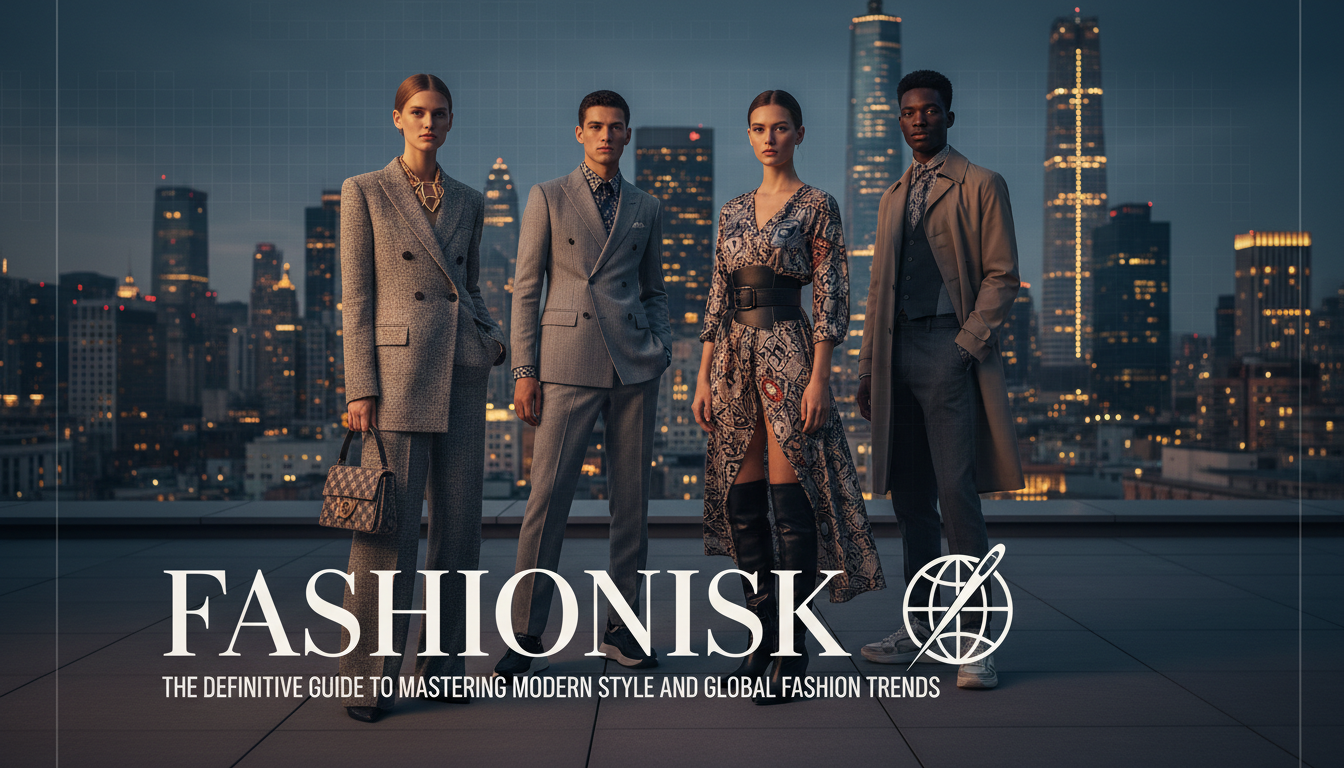
Introduction: Defining Fashionisk in the Digital Age
In the rapidly evolving landscape of global aesthetics, Fashionisk has emerged as more than just a buzzword; it represents a comprehensive methodology for mastering modern style. It is the intersection where sartorial heritage meets futuristic technology, creating a dynamic framework for personal expression. As we navigate 2025 and beyond, understanding the nuances of Fashionisk is essential for anyone looking to curate a wardrobe that is not only visually arresting but also culturally relevant and sustainably minded.
The concept of Fashionisk transcends traditional trend-following. It advocates for a data-driven approach to style—analyzing global currents, understanding fabric technology, and leveraging digital tools to optimize one’s personal brand. In an era where All AI Tools and advanced algorithms predict the next big color palette before it hits the runway, mastering this discipline requires a blend of artistic intuition and technical savvy. This definitive guide will dismantle the complexities of modern fashion, offering you actionable strategies to elevate your aesthetic while navigating the digital transformation of the industry.
The Core Philosophy of Fashionisk: Structure Meets Spontaneity
At the heart of the Fashionisk philosophy lies a delicate balance between rigid structural elements and spontaneous creativity. Historically, fashion was dictated by seasonal calendars and exclusive houses. Today, the democratization of style through social media and e-commerce has shifted the power dynamic. However, with infinite choices comes decision paralysis. Fashionisk solves this by introducing structured modularity to your wardrobe.
The Capsule Wardrobe 2.0
The modern capsule wardrobe is no longer just about owning fewer items; it is about owning smarter items. We are seeing a shift towards hyper-functional garments that adapt to various environments—blazers made from breathable technical fabrics suitable for both boardrooms and bike commutes, or modular footwear that changes form based on utility. This evolution is heavily influenced by the minimalist efficiency found in software architecture, applied to textiles.
Organizing Your Aesthetic
Implementing a Fashionisk lifestyle requires meticulous planning. Just as project managers organize workflows, style enthusiasts are now using digital tools to schedule outfits, track wear-per-cost ratios, and plan seasonal acquisitions. For those looking to streamline this process, mastering digital organization is key. A practical step is to aesthetic calendar sync with Google Calendar, allowing you to align your wardrobe choices with your social and professional itinerary, ensuring you never face a last-minute style crisis.
Technology’s Role in Modern Couture
We cannot discuss modern fashion without acknowledging the seismic impact of technology. From AI-driven design to supply chain transparency, tech is the invisible thread weaving through the fabric of the industry. The Fashionisk approach embraces these advancements, viewing them as tools for enhancement rather than distractions.
Generative Design and Customization
One of the most exciting frontiers is the use of artificial intelligence in pattern making and textile design. Designers are leveraging algorithms to create complex geometries that would be impossible to draft by hand. This has trickled down to the consumer level, where custom-fit clothing is becoming accessible via smartphone scans. But how fast is this industry moving? Observers often wonder how long it takes to generate an image with AI image generation tools—a process that has revolutionized mood boarding and concept creation, allowing designers to iterate through thousands of potential looks in minutes rather than months.
Industry Adoption and Predictive Analytics
Retailers are using predictive analytics to minimize waste and stock items that consumers actually want. This data-driven efficiency is a core tenet of Fashionisk, promoting sustainability through accuracy. For those interested in the business intelligence side of style, exploring generative AI adoption trends across major industries reveals how deeply fashion retail is integrating these systems to personalize the shopping experience and forecast micro-trends.
Global Trends: The Cross-Cultural Exchange
Fashionisk is inherently global. It draws inspiration from the streets of Harajuku, the minimalism of Scandinavia, and the vibrant textiles of West Africa. In a connected world, style has no borders. However, accessing global fashion can sometimes be a logistical challenge, involving region-locked exclusives or geographically restricted drops.
Navigating Global E-Commerce
To truly master global style, one must be adept at navigating the international digital marketplace. Often, the best deals or specific regional releases are not visible from your local IP address. Savvy shoppers utilize VPNs to check prices in different currencies or access sites like specific regional streetwear boutiques. Knowing how to manage these tools, such as knowing how to turn off VPN on iPhone when switching back to local banking apps, is a small but crucial technical skill for the modern global shopper.
Cinematic Influence and Avant-Garde Revivals
Media consumption continues to drive trend cycles. High-concept sci-fi and dystopian films often trigger waves of avant-garde fashion, known as “dystopian chic” or “tech-wear.” The exaggerated silhouettes and utilitarian gear seen in movies often trickle down into streetwear. For instance, the elaborate costumes in films like The Hunger Games have influenced runway shows with their mix of opulence and survivalism. Enthusiasts often revisit these visual feasts to analyze the costume design; knowing where to watch The Hunger Games can provide a masterclass in character-driven style and theatrical aesthetics.
Nostalgia and the Retro-Futurism Loop
Fashion serves as a pendulum, constantly swinging between the future and the past. The Fashionisk guide acknowledges the power of nostalgia, particularly the current resurgence of 90s and Y2K aesthetics. This isn’t just about reusing old clothes; it’s about recontextualizing the cultural artifacts of that era.
Collectible Culture and Streetwear
The 90s revival goes beyond flannel shirts and baggy jeans; it encompasses the toys, graphics, and color palettes of the decade. Vintage merchandise has become a high-value sector of the fashion market. Items like vintage comic book apparel or retro collectibles are now paired with high-end luxury pieces. A deep dive into a list of 90s Marvel mutant toys might seem unrelated to fashion at first glance, but the neon color schemes and bold character designs of that era are directly influencing modern graphic tee collections and sneaker colorways.
Digital Identity: Fashion in the Metaverse
As our lives migrate online, our digital appearance becomes as important as our physical one. “Skins” and digital avatars are the new couture. The Fashionisk mindset treats digital fashion as a legitimate extension of self-expression. Platforms like Roblox and Fortnite have become virtual runways where users spend real currency on digital assets.
Managing Your Virtual Wardrobe
In these virtual spaces, your avatar’s look communicates status and personality. However, navigating the governance of these platforms is crucial to protecting your digital assets. Nothing ruins a digital reputation faster than a ban. Understanding platform policies, such as how to get unbanned from Roblox, ensures that your curated digital identity and the virtual fashion items you’ve invested in remain accessible. This blend of gaming culture and fashion is defining the Gen Z and Alpha aesthetic, merging cosplay with daily wear.
Sustainable Style: The Ethical Imperative
True Fashionisk cannot exist without a conscience. The industry is one of the largest polluters globally, and the modern style master must advocate for sustainability. This involves choosing quality over quantity, supporting brands with transparent supply chains, and engaging in the circular economy (reselling and upcycling).
- Material Innovation: Look for plant-based leathers (mushroom, pineapple) and recycled polyesters.
- Thrifting & Archival Fashion: Buying vintage is the most sustainable choice. It prevents landfill waste and ensures you have a unique piece that no one else has.
- Garment Care: Extending the life of your clothes through proper washing and repair techniques is a fundamental skill.
Conclusion
Fashionisk is not a set of rigid rules; it is a fluid framework for navigating the complex world of modern style. It encourages you to leverage technology for organization and design, respect the history of fashion through retro appreciation, and embrace the future via digital identity and sustainability. By adopting a data-driven, thoughtful approach to what you wear, you transcend being a mere consumer and become a curator of your own life’s aesthetic. Whether you are syncing your outfit planning with a digital calendar or analyzing the latest AI trends in textile manufacturing, the tools to master your style are at your fingertips. Embrace the evolution.
Frequently Asked Questions (FAQs)
1. What is the main difference between style and fashion?
Fashion refers to the external trends and prevailing modes of dress that are popular at a specific time, often dictated by the industry. Style, on the other hand, is internal and personal; it is how an individual interprets fashion to express their unique identity. Fashionisk focuses on cultivating personal style using knowledge of fashion trends.
2. How can AI help improve my personal style?
AI tools can assist by analyzing your current wardrobe to suggest outfit combinations, predicting future trends so you buy timeless pieces, and even helping you virtually try on clothes before purchasing to reduce returns and waste.
3. Why is 90s fashion making a comeback?
The 20-year trend cycle is a standard phenomenon in fashion. As the generation that grew up in the 90s gains purchasing power and creative control in design houses, they revisit their youth. Additionally, Gen Z is discovering the bold, carefree aesthetic of the era as a contrast to the polished minimalism of the 2010s.
4. Is digital fashion worth investing in?
For those heavily involved in digital spaces, gaming, or the metaverse, digital fashion is a significant form of self-expression. While it holds no physical utility, its social value in virtual communities is real, and for some, it serves as a speculative asset class similar to NFTs.
5. How do I start a sustainable wardrobe on a budget?
Start by auditing your current closet and repairing what you own. When buying, prioritize thrift stores, consignment shops, and marketplaces for second-hand goods. focus on versatile basics in neutral colors that can be mixed and matched, reducing the need for a high volume of items.

The editor of All-AI.Tools is a professional technology writer specializing in artificial intelligence and chatbot tools. With a strong focus on delivering clear, accurate, and up-to-date content, they provide readers with in-depth guides, expert insights, and practical information on the latest AI innovations. Committed to fostering understanding of fun AI tools and their real-world applications, the editor ensures that All-AI.Tools remains a reliable and authoritative resource for professionals, developers, and AI enthusiasts.