.png)
Introduction
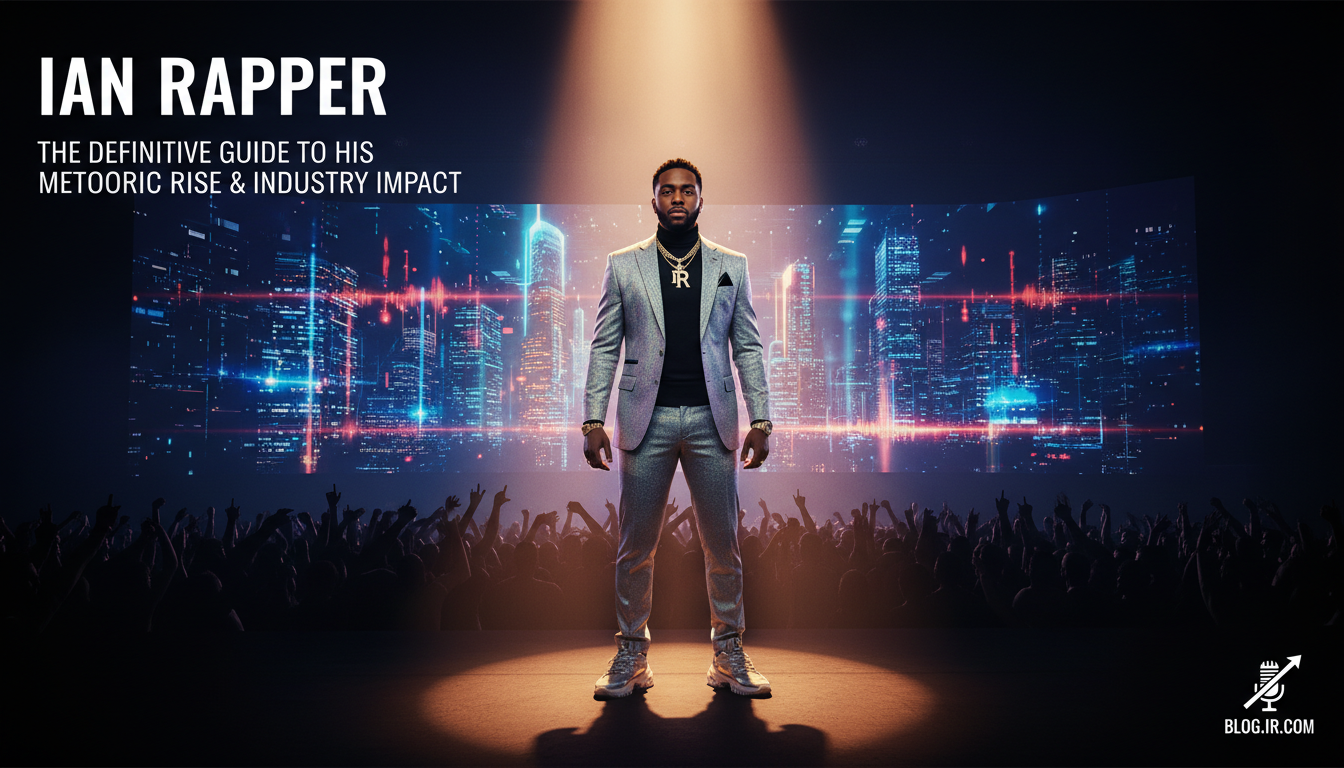
In the constantly evolving landscape of modern hip-hop, few figures have ignited as much discourse, fascination, and polarization as Ian. Often referred to simply as "Ian rapper" to distinguish him in search engines, this artist has carved out a unique niche that defies traditional genre archetypes. With an aesthetic that leans more towards a corporate accountant than a trap star, Ian has managed to capture the attention of Gen Z, industry heavyweights, and critics alike.
His meteoric rise in 2024 and 2025 is not just a story of viral luck; it is a masterclass in branding, visual dissonance, and the power of social media algorithms. From his breakout mixtape Valedictorian to high-profile co-signs from artists like Lil Yachty, Ian represents a new wave of "post-internet" rap where irony and authenticity blur. This definitive guide explores Ian’s background, his controversial "corporate" style, the industry debates he has sparked, and what his trajectory tells us about the future of music marketing.
Whether you view him as a breath of fresh air or a contentious figure in the culture, understanding Ian’s impact requires a deep dive into the mechanics of his success. For those interested in the broader scope of viral trends, you can explore our viral entertainment news section to see how figures like Ian dominate the digital conversation.
The Origin Story: From Suburbia to Stardom
Before the memes and the millions of streams, Ian (born Ian Smith) was cultivating a sound that blended the abrasive textures of underground trap with a surprisingly polished delivery. Originating from the Dallas/St. Louis circuit, his early work was heavily influenced by the "Opium" sound popularized by Playboi Carti and Ken Carson, as well as the plugg movement.
Unlike many of his contemporaries who lean into dark, gothic, or street-oriented aesthetics, Ian took a left turn. He realized early on that in an attention economy, visual differentiation is key. By adopting a persona that looked entirely out of place in a rap video—wearing tucked-in polo shirts, khakis, and loafers—he created a visual hook that made users stop scrolling.
The Breakout Moment
The release of his single "Figure It Out" served as the catalyst for his explosion. The music video, featuring Ian in typical office attire surrounded by the trappings of a standard rap video, went viral almost instantly. It wasn’t just a gimmick; the song was catchy, well-produced, and demonstrated a flow that commanded respect, regardless of the outfit.
Defining the "Ian" Aesthetic: Corporate Normcore
Ian’s visual identity is perhaps his most potent marketing tool. In the fashion world, this is often referred to as "Normcore," but Ian pushes it to a theatrical "Corporate Trap" extreme. He dresses like the person you would expect to fix your computer or do your taxes, not someone delivering hard-hitting bars over 808-heavy beats.
This juxtaposition creates a sense of uncanny valley for the viewer. It challenges the stereotypes of what a rapper "should" look like. For readers interested in how trends cycle and evolve, our modern style guide offers insights into how anti-fashion becomes high fashion.
The Power of Visual Dissonance
The strategy is simple but brilliant: create a disconnect between the audio and the visual. When a listener hears the audio alone, they imagine a specific archetype. When they see the video, that expectation is subverted. This subversion drives comments, shares, and engagement. It turns the artist into a meme, but one with musical substance backing it up.
Musical Style and Industry Impact
Critically, Ian’s music is characterized by clear enunciation, complex rhyme schemes, and beat selection that rivals the top tier of the industry. His mixtape Valedictorian showcased a versatility that silenced many critics who initially wrote him off as a joke.
Production and Engineering
The sonic quality of Ian’s tracks is undeniable. The mixing is crisp, allowing his vocals to sit perfectly in the pocket of chaotic instrumentals. In an era where many SoundCloud rappers suffer from poor audio fidelity, Ian’s releases sound radio-ready. For aspiring artists, understanding the importance of audio clarity is crucial; tools discussed in our review of the best app for audio file cleaner for PC 2025 highlight how technology aids in achieving this level of polish.
Playlist and Streaming Strategy
Ian’s team has effectively utilized playlisting to maintain momentum. By securing spots on major editorial playlists, he bridged the gap from TikTok virality to consistent monthly listeners on Spotify and Apple Music. This transition is often the hardest hurdle for viral stars. Independent artists looking to replicate this might look into services like those mentioned in our Playlist Push review to understand how placement drives discovery.
Controversies and The Cultural Debate
No meteoric rise is without friction. Ian has found himself at the center of a heated debate regarding appropriation and authenticity in hip-hop. The conversation reached a fever pitch following comments by industry legend Tyler, The Creator, who critiqued artists who treat rap as a "costume" or a "mockery."
While Tyler did not name names explicitly, the internet quickly inferred that Ian was a primary target of this critique. This sparked a massive discourse on Twitter (X) and TikTok.
- The Critique: Detractors argue that Ian’s "white collar" persona mocks the cultural roots of trap music, treating it as a funny contrast rather than a lived experience.
- The Defense: Supporters, including peers like Lil Yachty, argue that Ian is simply being himself—a suburban kid who loves rap—and that pretending to be a "thug" would be the real inauthenticity.
This drama fueled even more traffic to Ian’s pages. For those who follow celebrity dynamics, this type of industry back-and-forth is common fodder in Fauxmoi celebrity gossip circles, where public perception is constantly battled over.
The Social Media Mechanics of Ian’s Rise
Ian’s success is a case study in "reply-bait" and algorithmic dominance. His posts are designed to elicit a reaction. Whether it’s a video of him doing a family BBQ while blasting trap music, or him signing a contract in a full suit, the content is shareable.
Furthermore, the discourse surrounding him creates a feedback loop. Haters comment to criticize his outfit, fans comment to defend his flow, and the algorithm pushes the content to millions more. Observing the conversations on platforms like X can be overwhelming, but checking the best Twitter pages for music discussion can help enthusiasts stay updated on real-time sentiment.
Future Outlook: Flash in the Pan or Mainstay?
The question remains: Does Ian have longevity? The transition from viral moment to career artist relies on evolution. Ian has already begun to tease new sounds and collaborations that suggest he is taking the craft seriously. If he can navigate the allegations of being a "culture vulture" and continue to produce high-quality music, he may solidify his spot in the pantheon of new-school rap.
Moreover, as AI and tech integrate further into music production, artists like Ian who are digital natives will likely adapt faster than legacy acts. One might even wonder how tools like those discussed in how to ask AI a question could be used by songwriters to brainstorm complex rhyme schemes or marketing strategies in the future.
Frequently Asked Questions
What is Ian rapper’s real name?
Ian’s real name is Ian Smith. He uses his first name as his mononym stage name, often stylized in lowercase as "ian."
Why does Ian dress like an office worker?
Ian’s aesthetic is a deliberate branding choice known as "normcore." It distinguishes him from the typical visual style of trap artists, creating a memorable visual dissonance that helps his content go viral. He leans into the suburban, preppy look to contrast with the hard-hitting nature of his music.
What did Tyler, The Creator say about Ian?
In an interview with Maverick Carter, Tyler, The Creator criticized a certain sector of rappers who he felt were "mocking" the genre by wearing costumes and treating hip-hop as a joke. While he didn’t name Ian directly, the timing and description led many to believe he was referring to Ian, sparking a widespread industry debate.
What is Ian’s most popular song?
As of late 2024 and early 2025, Ian’s most popular tracks include "Figure It Out" and "Grand Slam." These songs garnered millions of streams and were pivotal in his initial rise to fame.
Who are Ian’s biggest co-signs?
Ian has received significant support from Lil Yachty, who has defended him publicly against criticism. He has also been associated with the creative circles surrounding the "Opium" label aesthetic, though he is not officially signed to them.
Conclusion
Ian Rapper represents the intersection of meme culture, high-level marketing, and genuine musical talent. While his "corporate" attire may have been the hook that caught the world’s attention, his ability to craft infectious songs has kept them listening. As the music industry continues to grapple with issues of authenticity in the digital age, Ian stands as a polarizing yet undeniable force.
His journey from a suburban teenager to a headline-grabbing artist highlights the changing rules of fame. Whether he evolves into a genre-defining superstar or remains a cult figure of the 2020s, his impact on how artists brand themselves is indisputable.

The editor of All-AI.Tools is a professional technology writer specializing in artificial intelligence and chatbot tools. With a strong focus on delivering clear, accurate, and up-to-date content, they provide readers with in-depth guides, expert insights, and practical information on the latest AI innovations. Committed to fostering understanding of fun AI tools and their real-world applications, the editor ensures that All-AI.Tools remains a reliable and authoritative resource for professionals, developers, and AI enthusiasts.