.png)
Introduction
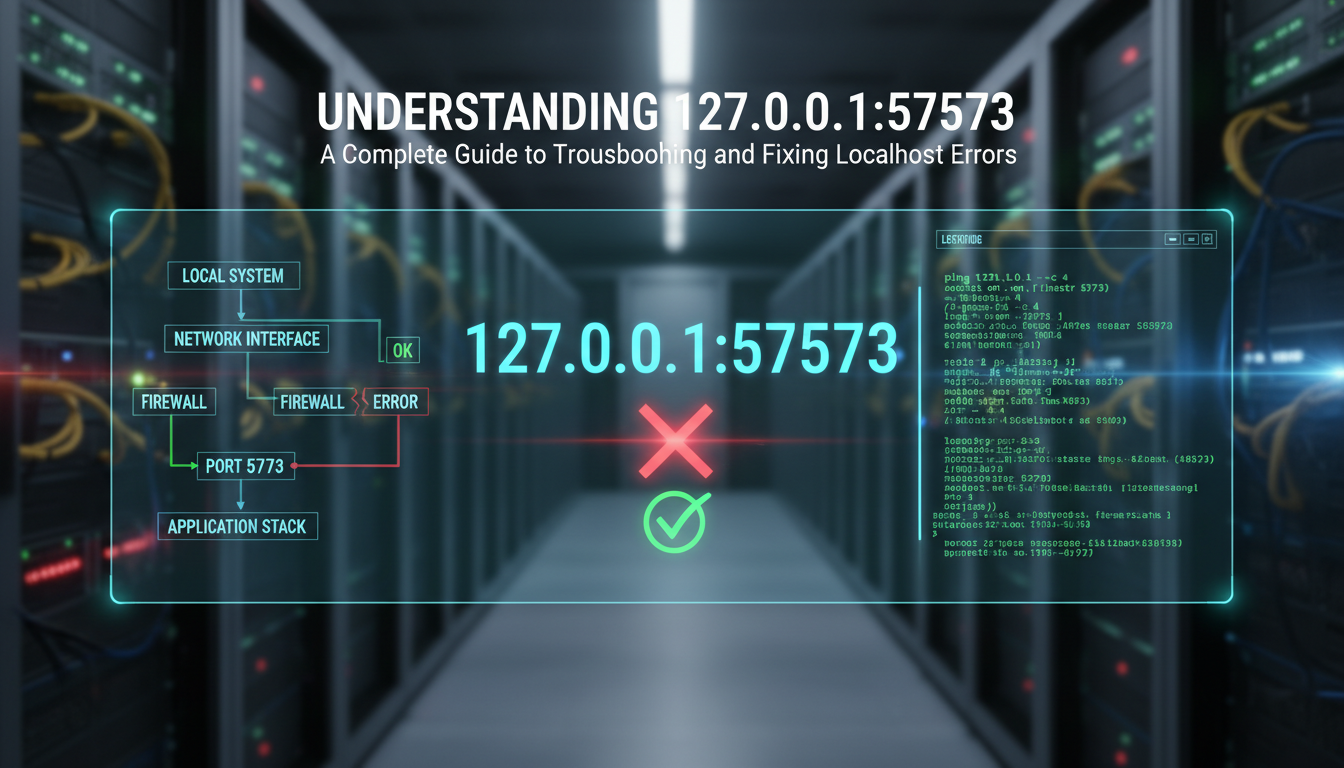
In the world of software development, network administration, and IT troubleshooting, encountering cryptic IP addresses and port numbers is a daily occurrence. One such address that often leaves users scratching their heads is 127.0.0.1:57573. Whether you are a developer configuring a local server, a QA engineer running automated tests, or simply a tech enthusiast trying to access a specific dashboard, running into a "Connection Refused" or "Site Can’t Be Reached" error at this address can be frustrating.
At All AI Tools, we understand that technical glitches are the biggest bottleneck to productivity. This guide aims to demystify 127.0.0.1:57573, explaining exactly what the loopback address represents, why this specific port is being used, and how to resolve the connection errors associated with it. By the end of this article, you will have a comprehensive understanding of localhost networking and the tools required to fix these persistent issues.
Deconstructing the Address: What is 127.0.0.1:57573?
To troubleshoot effectively, we must first break down the components of this network address. It is composed of two distinct parts: the IP address (127.0.0.1) and the port number (57573).
The Loopback Address (127.0.0.1)
The IP address 127.0.0.1 is known as the loopback address or, more commonly, localhost. It is a special-purpose IPv4 address that allows a computer to communicate with itself. When you send a network request to 127.0.0.1, the data never leaves your device; instead, the network interface card loops the data back to the operating system.
This is crucial for testing web applications and databases securely before deploying them to a live environment. It ensures that your development environment is isolated from the public internet, a key component of a robust data protection strategy.
The Port Number (57573)
The number following the colon, 57573, is the port. While the IP address identifies the machine, the port identifies the specific application or service running on that machine. Ports range from 0 to 65535, and they are categorized into three ranges:
- Well-known ports (0–1023): Reserved for system services (e.g., HTTP on port 80).
- Registered ports (1024–49151): Assigned to specific user processes.
- Dynamic/Ephemeral ports (49152–65535): Used for temporary connections or custom applications.
Port 57573 falls into the dynamic or ephemeral range. This usually indicates that the port was assigned dynamically by the operating system for a temporary session or was specifically configured by a developer tool, such as Selenium WebDriver, a local API, or a peer-to-peer application.
Common Causes of Localhost Connection Errors
When you attempt to navigate to http://127.0.0.1:57573 and fail, it usually points to one of a few common culprits. Understanding these roots is similar to diagnosing other obscure technical issues, like the NSCocoaErrorDomain Error 4 often seen in Apple environments.
1. The Service Is Not Running
The most obvious reason is that nothing is listening on port 57573. If the server or application that was supposed to claim this port has crashed or wasn’t started, the browser will instantly return a connection error.
2. Firewall and Antivirus Blocking
Sometimes, overly aggressive security software prevents applications from binding to specific ports or blocks incoming connections to them, even on localhost. This is common in corporate environments with strict policies.
3. Port Conflicts
If another application has already claimed port 57573, your intended service will fail to start. This "port collision" is frequent in environments running multiple microservices.
4. Proxy and VPN Interference
Network intermediaries can sometimes misroute localhost traffic. For instance, if you have a VPN active, it might try to tunnel localhost traffic through the remote server. Knowing how to turn off VPN or configure bypass rules on your device is essential for local testing.
Step-by-Step Troubleshooting Guide
Follow these steps to diagnose and fix connectivity issues with 127.0.0.1:57573.
Step 1: Identify the Process Using the Port
Before you can fix the connection, you need to know what—if anything—is using port 57573. You can do this using the command line.
On Windows:
Open Command Prompt as Administrator and run:netstat -ano | findstr :57573
If a line appears, note the PID (Process ID) at the end of the line.
On macOS/Linux:
Open Terminal and run:lsof -i :57573
This will list the command and PID associated with the port.
If these commands return nothing, it means no service is currently running on port 57573. You need to start your application or check its logs to see why it failed to launch.
Step 2: Resolving Port Conflicts
If you find a process using the port but it’s not the application you expect, you may need to terminate that process. This is often necessary when a previous instance of a script didn’t close properly (a “zombie” process).
To kill the process on Windows:taskkill /PID [YourPID] /F
To kill the process on macOS/Linux:kill -9 [YourPID]
After clearing the port, restart your intended application. If you are struggling with command-line syntax, you might want to learn how to ask AI a question effectively to get specific commands for your system version.
Step 3: Check Your Hosts File
In rare cases, the mapping between “localhost” and “127.0.0.1” might be corrupted in your system’s hosts file. Ensure that the following line exists and is not commented out (preceded by a #):
127.0.0.1 localhost
Step 4: Analyze Application Logs
If the port is active but the application isn’t behaving correctly, check the application’s internal logs. If you are developing with modern AI-assisted coding tools, you might compare the output against known baselines. For example, developers debating is DeepSeek better than ChatGPT often use these tools to debug log files and identify syntax errors causing server crashes.
Advanced Scenarios: Selenium and Automation
A very common reason to see 127.0.0.1:57573 is the use of Selenium WebDriver for automated browser testing. Selenium often spins up a temporary HTTP server on ephemeral ports to communicate between the test script and the browser instance.
Why Selenium Connections Fail
1. Driver Version Mismatch: If your ChromeDriver or GeckoDriver version doesn’t match your browser version, the connection to the ephemeral port will fail.
2. Timeout Issues: Heavy scripts might time out before the local server binds to the port.
3. Zombie Drivers: Old driver instances running in the background can clog up ports.
To fix this, ensure your testing frameworks are up to date and implement a teardown script that kills all driver processes after test execution.
Security Considerations for Local Ports
While 127.0.0.1 is generally safe because it is not accessible from the external internet, leaving open ports on your machine can still pose risks if you have malware installed or if you run software that bridges local ports to external interfaces (like `0.0.0.0`).
Always ensure that development servers are bound explicitly to `127.0.0.1` rather than `0.0.0.0` if you do not intend for them to be accessed by other devices on your Wi-Fi network. This aligns with standard security best practices, similar to how one might carefully select PC utility apps to avoid installing bloatware or spyware.
Frequently Asked Questions (FAQ)
1. What exactly is 127.0.0.1:57573?
It is a combination of the local loopback IP address (localhost) and a specific ephemeral port number (57573). It indicates a service running locally on your computer, often a temporary development server or a testing tool.
2. Why am I getting a “Connection Refused” error?
This error occurs because the browser or client sent a request to that address, but no program was listening on port 57573 to accept it. This usually means the server software is not running or has crashed.
3. Can I change the port number from 57573 to something else?
Yes. Most server applications allow you to configure the listening port. If 57573 is blocked or in use, you can usually change the configuration file of your software to use a standard port like 8080 or 3000.
4. Is accessing 127.0.0.1 dangerous?
No, accessing 127.0.0.1 is safe as it connects only to your own computer. However, be cautious about running unknown scripts that open local ports, as they could theoretically be exploited by malicious software already on your system.
5. How do I free up port 57573?
You can free up the port by identifying the Process ID (PID) using `netstat` (Windows) or `lsof` (Mac/Linux) and then terminating the process using Task Manager or the `kill` command.
Conclusion
Navigating the technical nuances of 127.0.0.1:57573 doesn’t have to be a headache. Whether the issue stems from a crashed local server, a misconfigured firewall, or a lingering Selenium process, the troubleshooting steps provided above should help you regain control of your development environment. By understanding the relationship between the loopback address and ephemeral ports, you can debug connection errors with confidence.
For more insights into technology troubleshooting, developer tools, and the latest in artificial intelligence, continue exploring the resources available at All AI Tools. Whether you are solving complex coding errors or looking for the best entertainment alternatives to unwind after a long coding session, staying informed is your best defense against technical roadblocks.

The editor of All-AI.Tools is a professional technology writer specializing in artificial intelligence and chatbot tools. With a strong focus on delivering clear, accurate, and up-to-date content, they provide readers with in-depth guides, expert insights, and practical information on the latest AI innovations. Committed to fostering understanding of fun AI tools and their real-world applications, the editor ensures that All-AI.Tools remains a reliable and authoritative resource for professionals, developers, and AI enthusiasts.