.png)
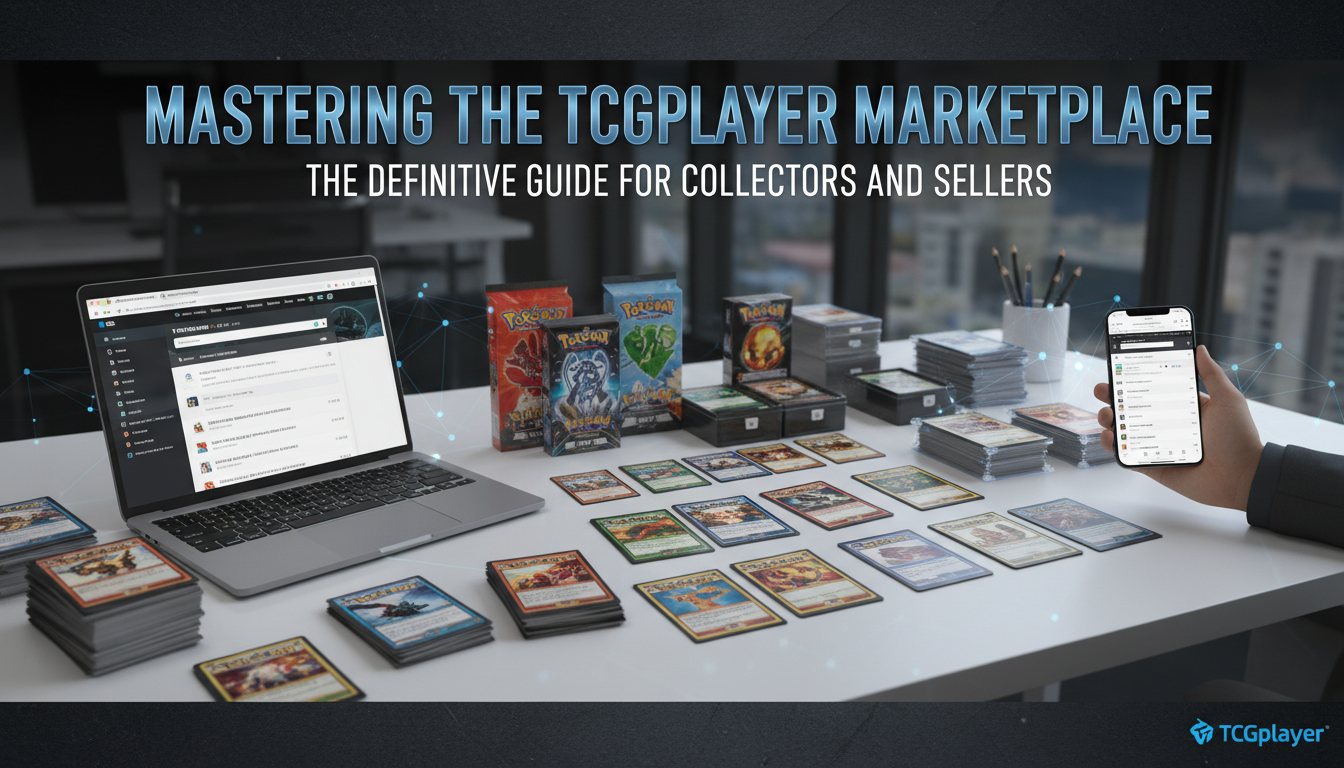
Introduction: The Digital Hub of Collectible Gaming
In the expansive universe of tabletop gaming and collectibles, few platforms have revolutionized the industry quite like the TCGplayer Marketplace. What started as a resource for price guides has evolved into the definitive nexus for buyers and sellers of Magic: The Gathering, Pokémon, Yu-Gi-Oh!, and countless other trading card games (TCGs). For enthusiasts and investors alike, TCGplayer is not just a store—it is the stock market of cardboard, a sophisticated ecosystem driven by data, supply and demand dynamics, and a robust technological infrastructure.
As a senior analyst in the tech and gaming sphere, I have observed how platforms like TCGplayer leverage complex algorithms to connect millions of inventory items from thousands of local game stores (LGS) with a global audience. Whether you are a competitive player looking to complete your deck or a vendor aiming to digitize your inventory, mastering this platform is essential. At All AI Tools, we explore how digital platforms reshape traditional hobbies, and TCGplayer is a prime example of this transformation.
This comprehensive guide will walk you through the intricacies of the TCGplayer Marketplace. We will cover advanced buying strategies, the nuances of card condition standards, seller optimization techniques, and the technological tools that keep this marketplace secure and efficient.
Understanding the TCGplayer Ecosystem
How the Marketplace Works
At its core, TCGplayer functions as an aggregator. Unlike a traditional retailer that owns all its stock, TCGplayer hosts inventory from a massive network of sellers. These range from major verified hobby shops with physical storefronts to individual collectors selling out of their homes. When you search for a card—say, a Black Lotus or a Charizard—the platform’s engine queries millions of listings to present you with options sorted by price, condition, and seller reputation.
The Role of Technology and Data
The platform’s dominance is built on its “Market Price” algorithm. This isn’t just an asking price; it is a calculated value based on recent completed sales. This data transparency empowers users to make informed decisions, similar to how one might analyze trends in other asset classes. In fact, many collectors now view high-end trading cards as alternative assets, drawing parallels to the volatility and potential returns seen in digital finance sectors. For those interested in the investment side of digital and physical assets, understanding market caps and trends is crucial, much like evaluating crypto investment alternatives.
The Buyer’s Playbook: Securing the Best Deals
Navigating the TCGplayer Marketplace requires more than just a search bar. To truly optimize your experience, you must understand the tools provided to buyers.
1. Decoding Card Conditions
The single most contentious aspect of buying cards online is condition. TCGplayer has established a strict Condition Guide that sellers must adhere to:
- Near Mint (NM): Cards with minimal to no wear. The gold standard for collectors.
- Lightly Played (LP): Minor border wear or scuffs. Great for players who want nice-looking cards at a discount.
- Moderately Played (MP): Evident wear, whitening, or minor creases. Ideal for budget decks.
- Heavily Played (HP) & Damaged: Significant wear. These are the cheapest options, often used for playtesting.
Understanding these grades is vital. A “Near Mint” card from the 90s can be worth exponentially more than its “Lightly Played” counterpart, a dynamic similar to the valuation of vintage 90s Marvel toys where condition is king.
2. TCGplayer Direct vs. Verified Sellers
When browsing, you will encounter the “Direct by TCGplayer” badge. This is a game-changer. Instead of waiting for packages from five different sellers, TCGplayer ships the cards directly from their warehouse in Syracuse, New York. They then replenish their stock by having the individual sellers ship the cards to them. This ensures:
- Authentication: TCGplayer staff verifies the card’s authenticity and condition.
- Speed: One package, one tracking number, faster delivery.
- Customer Service: TCGplayer handles any disputes directly.
3. The Cart Optimizer
This is the platform’s most powerful algorithmic tool. If you have 50 cards in your cart from 20 different sellers, shipping costs can skyrocket. The Cart Optimizer runs a complex permutation analysis to reshuffle your cart, finding the combination of sellers that results in the lowest total price (cards + shipping) or the fewest number of packages. It is a brilliant application of logistics software.
The Seller’s Guide: scaling Your Business
For local game stores and aspiring entrepreneurs, TCGplayer offers a gateway to a global customer base. However, success requires adherence to strict performance metrics.
Account Levels and Fees
New sellers start at Level 1. As you complete orders with positive feedback and fast shipping, you level up, unlocking lower hold times on your funds and access to tools like the Mass Price Editor. Seller fees typically hover around roughly 10-12% plus processing fees, which is the industry standard for access to such a high-intent audience.
Syncing Physical and Digital Inventory
For brick-and-mortar stores, TCGplayer offers “Pro” tools that sync in-store kiosks with online inventory. This prevents the nightmare scenario of selling a card online that someone just bought off your shelf. This integration of physical retail and digital databases is the future of commerce, bridging the gap much like modern consoles bridge physical discs and digital downloads. Speaking of gaming evolution, keeping up with hardware cycles, such as the anticipation around the PlayStation 6 release date, helps store owners predict when gamers might shift focus (and budget) between video games and TCGs.
Advanced Tech Integration: APIs and Robotics
TCGplayer is not just a website; it is a technology company. They utilize high-speed robotics for card sorting and grading in their authentication centers. Furthermore, they provide a public API (Application Programming Interface) that allows developers to build third-party applications.
Developers use this API to create collection trackers, price trend analyzers, and deck-building assistants. If you are tech-savvy, you can even use these tools to perform data analysis on market trends. For those learning to interact with such data, understanding how to prompt AI tools can help in writing scripts to fetch and analyze pricing data efficiently.
Community and Social Proof
The marketplace relies heavily on trust. Seller feedback scores are immutable and transparent. In the age of digital communities, finding reliable information is key. Just as gamers look for the best Twitter pages for news and community insights, TCG collectors rely on community forums and seller reviews to identify reputable vendors.
Frequently Asked Questions
1. Is TCGplayer safe for buying expensive cards?
Yes, TCGplayer has a robust Buyer Safeguard. If your card arrives damaged, is fake, or doesn’t arrive at all, the platform protects you. For high-value transactions, using “TCGplayer Direct” adds an extra layer of safety as the cards are authenticated by their professional staff before reaching you.
2. How long does shipping take on TCGplayer?
Shipping times vary by seller. “Direct” orders usually arrive within 3-5 business days. Orders from individual sellers are sent via standard mail (USPS) and can take 6-12 business days depending on the distance. It is similar to the variance you might find when ordering imports or niche items like collectible toys from independent vendors.
3. Can I sell cards on TCGplayer if I don’t own a store?
Absolutely. Individuals can sign up for a seller account. You will start with limits on how many items you can list, which increase as you successfully complete orders. It is a popular side hustle for many players.
4. What happens if I receive a card that is not in the described condition?
You should first contact the seller to resolve the issue. If the seller does not respond or disagrees, you can escalate the issue to TCGplayer support. The Condition Guide is the objective standard used to resolve these disputes.
5. Does TCGplayer support games other than Magic, Pokémon, and Yu-Gi-Oh?
Yes, the marketplace supports a vast array of games including Digimon, Flesh and Blood, One Piece, and even newer titles or distinct IPs. For example, fans of the Marvel universe might look for cards related to their favorite characters, bridging interests from games like Marvel Rivals into the physical trading card world.
Conclusion
Mastering the TCGplayer Marketplace is a journey of understanding data, logistics, and community standards. Whether you are hunting for that elusive foil to complete your Commander deck or managing a massive inventory for your game store, the platform offers the tools necessary to succeed. By leveraging features like the Cart Optimizer, understanding the Condition Guide, and utilizing the Direct service, you ensure a secure and efficient experience.
As the line between physical collectibles and digital assets continues to blur, platforms like TCGplayer serve as the critical infrastructure keeping the hobby alive and thriving. For more insights into how technology intersects with gaming, entertainment, and productivity, continue exploring the resources at All AI Tools.

The editor of All-AI.Tools is a professional technology writer specializing in artificial intelligence and chatbot tools. With a strong focus on delivering clear, accurate, and up-to-date content, they provide readers with in-depth guides, expert insights, and practical information on the latest AI innovations. Committed to fostering understanding of fun AI tools and their real-world applications, the editor ensures that All-AI.Tools remains a reliable and authoritative resource for professionals, developers, and AI enthusiasts.